
Studio services for live television, from gallery wiring to rehearsal
Six areas of work, each aimed at a reliable live programme: equipment, cameras, sound, light, running order and the crew who operate it on the day.
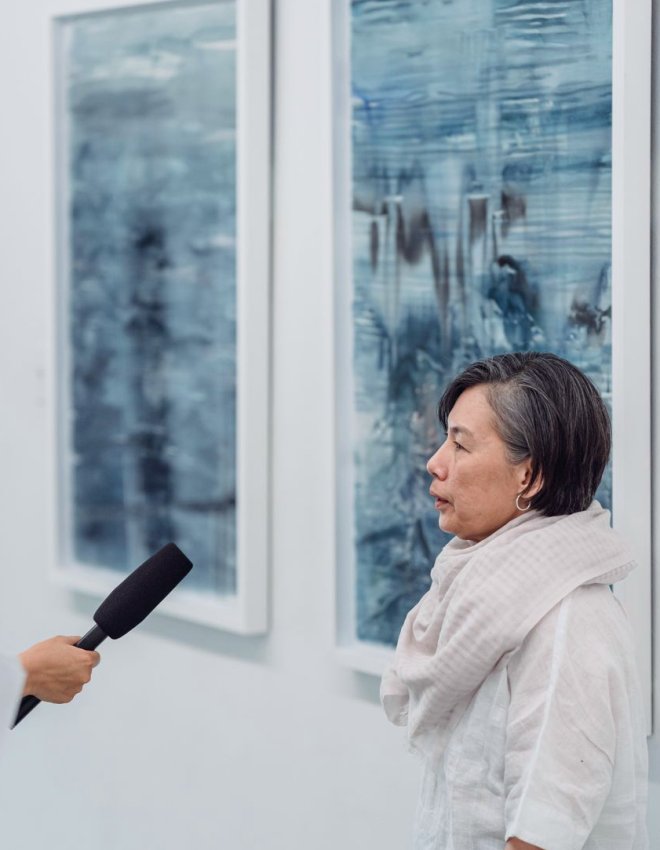
Six areas of studio work
-
Studio Equipment Integration
We specify, install and wire vision mixers, monitors, intercom and playout so the gallery behaves as one system. Cable routes, labelling and signal paths are documented for whoever runs the room next.
-
Camera Setup and Operation
Camera positions, lens choice and movement plans for interviews, panel discussions and fast news bulletins. Operators receive shot lists and framing rules they can follow when the pace picks up.
-
Studio Acoustic Treatment
We measure the room, find where echo and background noise come from, and treat it so presenters and guests are heard cleanly. Microphone placement is checked against the finished space.
-
Lighting Design
Key, fill and backlight plans using LED fixtures chosen to flatter presenters and suit the set and camera sensors. We also look at colour consistency and the energy the rig draws.
-
Live Show Workflow Planning
Rundowns, cue sheets, talkback routines and rehearsal plans that keep a live programme to time. Everyone in the gallery and on the floor knows their cue before the red light comes on.
-
Production Support and Training
On-site support on live days, and practical training for crews taking over an existing studio. Sessions use your own equipment and your own programme formats, not a generic course.
From first enquiry to a studio that works on air
Every project starts with a conversation about what you broadcast and who runs the room. From there we move through a survey, a written plan, the work itself and a handover. The steps below show what happens and what you hold at the end of each.
Enquiry and first conversation
You tell us about the programme, the studio or space, the crew and what is going wrong or needs building. We ask about formats, guests, transmission routes and any existing equipment so the scope is clear from the start.
Site survey
We visit the studio to look at the room, the gallery, the cable runs and the current lighting and sound. Priya measures acoustics where relevant, and Daniel and Callum note camera positions and light levels.
Written plan and quotation
We set out the work for each service involved, the equipment recommended, who from reporton is involved and what the client provides. The quotation is in writing and lists what is included and what would change it.
Installation and rehearsal
Work is carried out around your transmission schedule where possible. Equipment is wired and tested, lights are focused, cameras are set, and the crew rehearses the running order with the new set-up before anything goes on air.
Handover and support
We walk your team through the finished system, leave cue sheets, wiring diagrams and settings, and agree what support you want on live days. Training sessions can be arranged for crews new to the room.
What to have ready before we begin
A short, accurate description of your programme saves more time than anything else. Tell us whether it is a news bulletin, a studio interview, a panel or a longer live show, how long it runs, how many presenters and guests appear, and whether remote contributors join. These details decide how many cameras, microphones and lights make sense.
We also need to know about the room itself. A floor plan, even a hand-drawn one, helps, as do photographs of the studio from the gallery and from the set. If the space shares a building with other activity, tell us about noise from corridors, plant rooms or traffic, because it affects acoustic treatment and microphone choice.
List the equipment you already own and what works reliably. We would rather build around a good vision mixer or a sound desk you trust than replace it. Model names and the age of each item are enough; we will check the rest during the survey.
Think about who will operate the studio day to day. A small team that rotates roles needs simpler routines and clearer cue sheets than a fixed crew of specialists. Say how many people are available on a live day and how much experience they have, so training and workflow planning fit them.
Finally, share your transmission schedule and any dates that cannot move. Installation and rehearsal are planned around live output, and we need to know when the studio is free. Costs follow the written quotation, then an invoice paid by bank transfer, as set out on the prices page.
Useful to bring to the first call
- A description of the programme format, length and number of people on screen
- A floor plan or photographs of the studio and gallery
- A list of existing cameras, mixers, microphones and lights
- Known problems such as echo, hum, dropped cues or uneven lighting
- Names of the crew who will operate the studio on live days
- Dates when the studio is free for installation and rehearsal
Questions we hear often
These answers cover the practical points people raise before commissioning studio work. If yours is not here, ask through the contact page and we will reply in writing.
- Can you work with the equipment we already have?
- Yes, and we usually prefer to. During the survey we test what you own and keep anything that performs reliably. We only recommend replacement where an item limits the system or cannot be supported, and the quotation says why.
- Do you need to visit the studio before quoting?
- For installation, acoustic and lighting work, a visit is part of the process, because measurements and sight lines cannot be judged from photographs alone. For smaller tasks such as a cue sheet review, a detailed conversation may be enough.
- Can installation happen around our live schedule?
- We plan the work around your transmission dates and agree this in the written plan. Where the studio must stay in use, we stage the work in sections and test each one before handing the room back to your crew.
- Do you operate cameras on our live shows?
- Daniel plans camera work and can provide operation on live days, depending on the format and the size of your crew. Many clients ask us to operate for the first shows while their own operators are trained alongside.
- What does training involve?
- Training takes place in your own studio on your own equipment. We cover the gallery, camera handling, talkback routines and the running order of your programmes, and we leave written notes so the crew can refer back later.
- How are costs presented?
- You receive a written quotation that lists the work, what is included and what could change the price. Once you confirm it, we issue an invoice payable by bank transfer. Current prices are on the prices page.
- What happens if we need to cancel or change the plan?
- Changes are agreed in writing before work continues, and the quotation is updated if the scope shifts. Cancellations and refunds follow the payment and refund policy, which you can read before you confirm anything.
- Who are the services suitable for?
- They suit broadcasters, news teams and independent producers running live television, from a single interview set to a full gallery. If you are unsure whether your studio is the right size for our work, describe it and we will say.